


Tequila Negroni
The Tequila Negroni recipe
The Tequila Negroni takes the classic equal-parts formula and gives it a smoky, earthy backbone, swapping gin for a reposado tequila that brings agave depth to Campari’s bittersweet snap. It belongs to the wider family of Negroni variations that Italian aperitivo culture has quietly encouraged for decades, each one testing how far the template can travel while keeping its bitter-sweet, herbal balance intact. What makes this Tequila Negroni cocktail distinctive is the way the tequila’s vegetal, slightly smoky character sits underneath the Campari’s citrus-bitter lift, rather than simply standing in for the gin.
| 1 Part 1 Oz 30 Ml 3 Cl | Campari |
| 1 Part 1 Oz 30 Ml 3 Cl | Tequila Reposado |
| 1 Part 1 Oz 30 Ml 3 Cl | Sweet Vermouth |
| 1 | Add the Campari, tequila reposado and sweet vermouth to a mixing glass filled with ice. |
| 1 | Add the Campari, tequila reposado and sweet vermouth to a mixing glass filled with ice. |
| 1 | Add the Campari, tequila reposado and sweet vermouth to a mixing glass filled with ice. |
| 1 | Add the Campari, tequila reposado and sweet vermouth to a mixing glass filled with ice. |
| 2 | Stir until well chilled, then strain over a large ice cube in a rocks glass. |
| 2 | Stir until well chilled, then strain over a large ice cube in a rocks glass. |
| 2 | Stir until well chilled, then strain over a large ice cube in a rocks glass. |
| 2 | Stir until well chilled, then strain over a large ice cube in a rocks glass. |
| 3 | Garnish with an orange twist, expressing the peel's oils over the surface before setting it in the glass. |
| 3 | Garnish with an orange twist, expressing the peel's oils over the surface before setting it in the glass. |
| 3 | Garnish with an orange twist, expressing the peel's oils over the surface before setting it in the glass. |
| 3 | Garnish with an orange twist, expressing the peel's oils over the surface before setting it in the glass. |
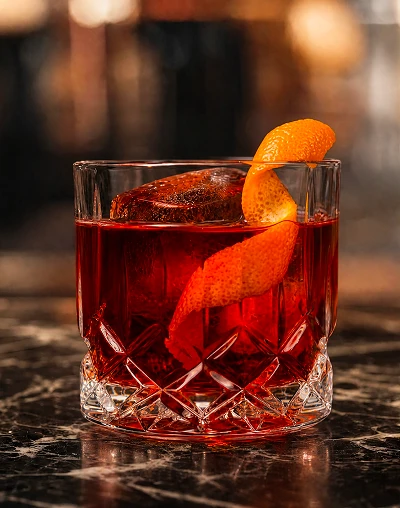
Serve this in a squat Old Fashioned or rocks glass, over a single large ice cube that melts slowly and keeps the drink’s dilution in check. It’s built for the aperitivo hour, poured slow and sipped slower, ideally in the twenty minutes before you decide what to eat. Skip the small ice cubes here — a big cube holds the tequila’s agave notes and the Campari’s bitterness in balance far longer than a glass full of cracked ice.
Planning to serve campari drinks to guests?
Find out how many bottles you’ll need.
Number of people
Cocktails per person

Tequila Negroni history
The Tequila Negroni belongs to a lineage of Negroni riffs that bartenders began building once the original Florentine formula — equal parts gin, Campari and sweet vermouth — proved flexible enough to accept other base spirits. There’s no single documented moment or bartender credited with the swap to tequila; it emerged gradually across modern cocktail menus as reposado’s oak-rounded agave character was recognized as a natural match for Campari’s bitter orange profile. The result reads as part of the same experimental wave that gave rise to the Mezcal Negroni and other agave-spirit variations, all descendants of the Negroni’s simple, endlessly adaptable three-part structure. Because tequila reposado brings its own warmth and roundness, this version tends to drink slightly softer and more savory than a gin original, which likely explains its steady adoption in bars looking to reinterpret an Italian classic through a different spirit tradition.
When to Drink an Tequila Negroni
Reach for a Tequila Negroni when the aperitivo hour calls for something a little warmer and more savory than the gin original — early autumn evenings, or anywhere the air still carries some heat from the day. It suits a table with charred vegetables, cured meats or something smoky off the grill, standing up well against big flavors without losing its bitter edge. This is a drink for slow conversation on a terrace, glass sweating slightly, in no hurry to move on to dinner.
Tequila Negroni VS Mezcal Negroni
Both drinks swap gin's juniper for an agave spirit, but the resemblance ends at the base. The Tequila Negroni, built on reposado, keeps things rounder and more approachable, while the Mezcal Negroni leans into smoke and mineral edge, making it the bolder, more assertive pour of the two. Choosing between them is really a choice between a smooth aperitivo and a smoky one.
Tequila Negroni

VS
Mezcal Negroni

Most Asked Questions
What is the best tequila for a Negroni?
Reposado is the standard choice for a tequila Negroni recipe, since its brief rest in oak rounds out the raw agave bite and gives it enough body to stand alongside Campari and sweet vermouth. Blanco tequila can work if you want a sharper, more vegetal drink, but it tends to get overwhelmed by the bitter and sweet components. Avoid añejo — its heavier oak and caramel notes push the balance too far from the Negroni's citrus-bitter core.
What are the best Tequila Negroni variations to try?
Beyond swapping in reposado, some bartenders finish the drink with a smoked salt rim or a grapefruit twist instead of orange, leaning into the citrus notes already present in the tequila. Others split the base between tequila and mezcal for a version that bridges both agave-spirit Negroni variations. A dash of agave syrup or a rinse of a chile liqueur are common tweaks for drinkers who want more heat or sweetness in the glass.
Can I batch a Tequila Negroni ahead of time for guests?
Yes — because it's stirred, not shaken, the Tequila Negroni batches cleanly. Combine the Campari, tequila reposado and sweet vermouth in the correct ratio, store the mix in the refrigerator or freezer, and pour it directly over a large ice cube when guests arrive. This makes it a practical choice for aperitivo gatherings where you want to spend time with company rather than behind the bar.
If You Like Tequila Negroni, Try These Cocktails Too
 AI-generated content: This page contains content generated with the support of Artificial Intelligence.