


Spicy Negroni
The Spicy Negroni recipe
The Spicy Negroni takes the classic equal-parts formula and gives it a smoky, chile-laced backbone, trading gin for mezcal and layering in the roasted heat of ancho chile liqueur. Campari still supplies the bittersweet core that defines the aperitivo hour, but here it sits alongside smoke and pepper instead of juniper, making for a bolder, more assertive glass. It’s a Negroni for drinkers who want the ritual of the aperitivo with a little more edge on the finish.
| 1 Part 1 Oz 30 Ml 3 Cl | Campari |
| 1 Part 1 Oz 30 Ml 3 Cl | Ancho Reyes Original |
| 1 Part 1 Oz 30 Ml 3 Cl | Montelobos Mezcal Espadín |
| 1 | Add the Campari, Ancho Reyes Original, and Montelobos Mezcal Espadín to a mixing glass filled with ice. |
| 1 | Add the Campari, Ancho Reyes Original, and Montelobos Mezcal Espadín to a mixing glass filled with ice. |
| 1 | Add the Campari, Ancho Reyes Original, and Montelobos Mezcal Espadín to a mixing glass filled with ice. |
| 1 | Add the Campari, Ancho Reyes Original, and Montelobos Mezcal Espadín to a mixing glass filled with ice. |
| 2 | Stir well until the mixture is fully chilled and diluted. |
| 2 | Stir well until the mixture is fully chilled and diluted. |
| 2 | Stir well until the mixture is fully chilled and diluted. |
| 2 | Stir well until the mixture is fully chilled and diluted. |
| 3 | Strain into a chilled rocks glass over a single large ice cube. |
| 3 | Strain into a chilled rocks glass over a single large ice cube. |
| 3 | Strain into a chilled rocks glass over a single large ice cube. |
| 3 | Strain into a chilled rocks glass over a single large ice cube. |
| 4 | Garnish with an orange slice. |
| 4 | Garnish with an orange slice. |
| 4 | Garnish with an orange slice. |
| 4 | Garnish with an orange slice. |
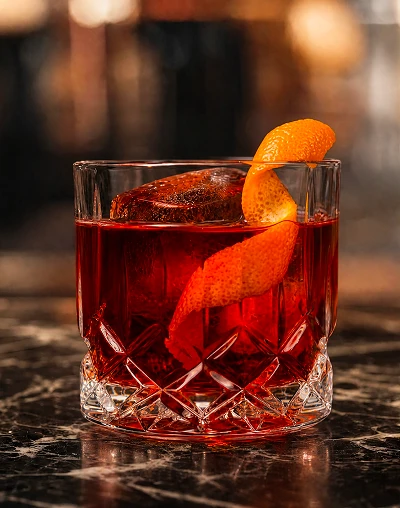
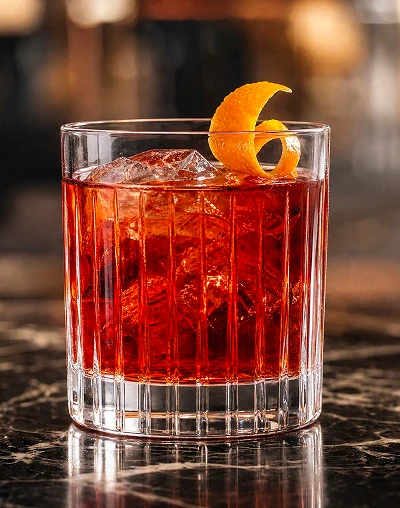
Serve this in a sturdy Old Fashioned or rocks glass over one large cube — the slower melt keeps the smoke and chile in balance rather than diluting them too quickly. This is a drink for the tail end of the aperitivo hour, when appetites are sharpening and a bit of heat feels welcome. Let it sit for a moment before the first sip; the aromatics need a beat to open up.
Planning to serve campari drinks to guests?
Find out how many bottles you’ll need.
Number of people
Cocktails per person

Spicy Negroni history
The Spicy Negroni belongs to the wide family of modern Negroni riffs that emerged as bartenders began swapping the classic’s gin for other base spirits while keeping the Campari-and-vermouth-style architecture intact. Its exact origin isn’t documented, but its lineage is clear: it follows the same logic as the Mezcal Negroni and Tequila Negroni, using agave spirit’s smoke and vegetal character as a foil for Campari’s bitterness. The addition of ancho chile liqueur in place of sweet vermouth marks this variation as part of a later wave of Negroni experimentation, one that leaned into spice-driven, chile-forward flavor as craft bars looked beyond Italy for inspiration. It reflects a broader shift in cocktail culture toward global pantries meeting Italian aperitivo tradition, rather than any single documented invention.
When to Drink an Spicy Negroni
This is a cold-weather aperitivo drink, suited to the months when a little heat on the palate feels like a comfort rather than an imposition. Reach for it at the start of an evening built around grilled or smoked food, where its chile and mezcal notes can carry through the meal ahead. It also holds its own as a solo, unhurried pour — the kind of glass that rewards sitting still and letting the smoke unfold.
Spicy Negroni VS Mezcal Negroni
Both drinks swap gin for agave spirit, but the Spicy Negroni pushes further by replacing sweet vermouth with ancho chile liqueur, adding a layer of dried-pepper heat the Mezcal Negroni doesn't have. The Mezcal Negroni stays closer to the original's bittersweet, herbal register with smoke layered underneath; the Spicy Negroni recipe leans into spice as the main event. Choose the Mezcal Negroni for a smokier, more classic-leaning sip, and the spicy version when you want genuine heat on the finish.
Spicy Negroni

VS
Mezcal Negroni

Most Asked Questions
What gives a Spicy Negroni its heat, and are there other ways to build one?
The heat comes from Ancho Reyes Original, a liqueur made from dried ancho poblano chiles, which layers roasted, mildly spicy notes over Campari's bitterness. Some variations of Negroni with spice use a chile-infused syrup, a dash of hot sauce, or a spicier mezcal in place of the chile liqueur. Whichever route you take, the goal stays the same: introduce heat without burying the bitter-orange core that makes it a Negroni.
What are the best bitters to add to a Spicy Negroni?
Campari itself functions as the bittering agent here, so additional bitters are optional rather than essential. If you want to deepen the spice, a dash of chocolate or Mexican-style mole bitters complements the ancho chile liqueur without competing with it. Aromatic bitters with cinnamon or clove notes also work well if you want a warmer, more baking-spice-driven glass.
Can I make a Spicy Negroni recipe with a different base spirit?
Yes — while Montelobos Mezcal Espadín gives this version its signature smoke, tequila or even a rested rye can stand in if you prefer less campfire character. Tequila will keep the agave backbone but soften the smoke, giving the chile liqueur more room to lead. Whatever spirit you choose, keep the equal-parts ratio intact so Campari's bitterness stays balanced against the heat.
If You Like Spicy Negroni, Try These Cocktails Too

 AI-generated content: This page contains content generated with the support of Artificial Intelligence.